Ange Postecoglou reflects on the combined thrill and challenges of coaching Cristiano Ronaldo at Al-Nassr after his exit from Nottingham Forest.

Ange Postecoglou has shared insights into his decision to join Al-Nassr in Saudi Arabia, highlighting the magnetic attraction of coaching Cristiano Ronaldo. This marks his first role after an abrupt dismissal from Nottingham Forest in the Premier League.
The Pull of Coaching Ronaldo
During an appearance on LiSTNR's The Howie Games podcast, Postecoglou mentioned that he received around half a dozen job offers, but the unique opportunity to be part of Ronaldo’s career—potentially culminating in the achievement of his 1,000th goal—was something he couldn’t pass up. This opportunity isn’t just another job; it’s a chance to be part of sporting history, adding layers to his legacy as a coach.
Postecoglou’s excitement speaks volumes about the allure of high-profile coaching gigs. In a world where many aspire to lead such talents, the chance to influence a player like Ronaldo is rare. The spotlight on a superstar often amplifies the challenges, but it also offers a platform for significant achievements. The scrutiny will be intense; anything less than expected results will invite criticism.
“I’ve been incredibly fortunate to be part of other people’s football journeys,” Postecoglou remarked. He referenced his time with prominent players like Tim Cahill and expressed a desire to contribute to Ronaldo’s storied legacy without letting personal ambition cloud the experience. “I can tell that story,” he added, illustrating the draw of being involved in such a significant moment in football history. Coaches often reflect on their careers in terms of the players they worked with, and Postecoglou is keenly aware that his time with Ronaldo could define his next chapter.
Assessing His Return to Management
Postecoglou explained that his experience at Nottingham Forest was a lesson in the importance of timing and fit. He sought a role that would allow for sufficient preparation before the start of the season, rather than diving into an immediate challenge. This mindset reflects a growing awareness among coaches about the need for a calculated approach. Rushing into a new position often has consequences, particularly in high-stakes environments where every decision is scrutinized.
The Australian coach emphasized that his career has included triumphs in both Australia and Japan, and he was not deterred by perceptions of coaching in a less prestigious league. “It’s not about the stature of the league,” he asserted. “I look for opportunities to make a meaningful impact.” In an era where leagues vary dramatically in both pay and exposure, it’s revealing to see a coach prioritize the quality of experience over the flashiness of a club badge. This reluctance to fall into the prestige trap might be wise.
The decision to depart Forest came with regret. Postecoglou noted he had previously ignored the counsel of friends and family regarding the rapid transition back to the Premier League. “I thought I understood the challenge,” he said, recognizing now that he likely misjudged the environment. His candidness about this miscalculation presents a rare view into the psychological pressures coaches face; it’s easy to underestimate the challenges awaiting, especially in a league lauded for its competitiveness.
Reflections on a Disappointing Exit
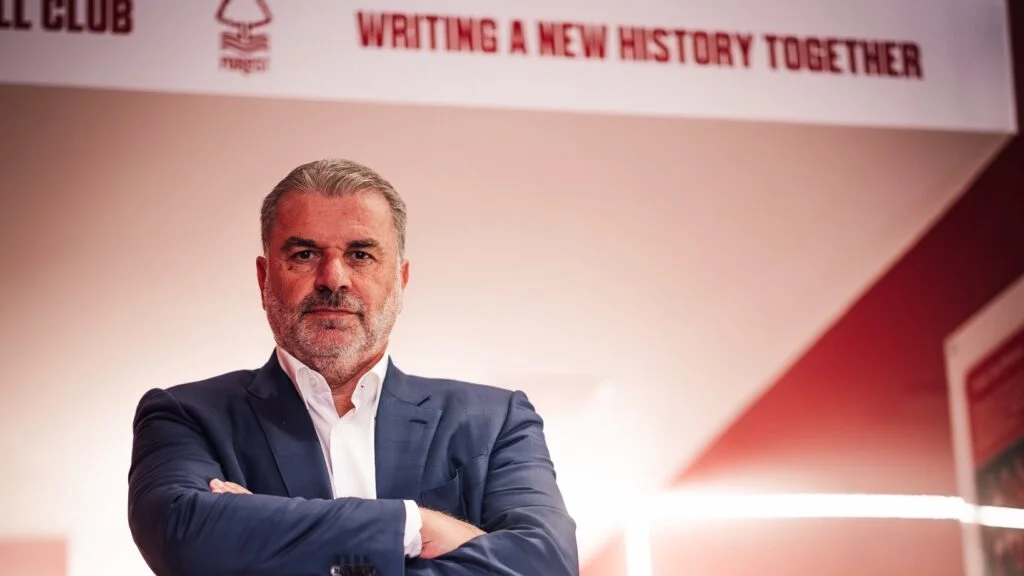
Describing his sacking from Nottingham Forest, Postecoglou relayed it as one of the toughest moments of his professional life. He remarked, “It was probably the worst three hours of my professional life when I got sacked.” The swift nature of the decision caught him completely off guard. It wasn't just the loss of a job but the abruptness of it that compounded the emotional blow.
He shared that he entered the dressing room after the game with hope, only to find a delegation of sporting directors waiting for him. The media, already informed of his fate, seemingly awaited him just outside the door each step he took. That moment highlighted a chilling reality of football management: decisions can often be made without regard for the human element involved. The fallout from that meeting must’ve been overwhelming; the media frenzy can be unforgiving.
His experience at Forest serves as a stark reminder of the volatility prevalent in football management, driving his desire to approach future roles with a more considered mindset. As he embarks on this new chapter with Al-Nassr, the dual challenge of coaching a football icon while rebuilding his own career trajectory will certainly be closely watched. Every move he makes in this new role will undergo intense examination. Fans and critics alike will want to see whether he can replicate previous successes or if he’ll stumble again amidst the pressures of high expectations.
Implications and Future Outlook
Postecoglou’s decision to coach in Saudi Arabia isn't merely about a career revival or financial incentives; it symbolizes a shift in the global football ecosystem. With high-profile players and coaches increasingly gravitating towards leagues like the Saudi Pro League, the landscape of professional football is changing. What this means for you, especially if you're working in this space, is that traditional power dynamics may shift. As leagues with substantial financial backing grow in notoriety, the global football hierarchy might be more malleable than it once seemed.
This shift could invite a broader conversation about coaching styles, player development, and the future of international transfers. If leagues in countries like Saudi Arabia continue to attract talent, it'll spur debates on the essence of competitive football. Does prestige belong solely to Europe, or can it be cultivated elsewhere?

Discussion
Sign in to join the discussion.