Liverpool’s swift acquisition of goalkeeper Lucca Brughmans from Genk raises questions about their transfer strategy and future squad alignment.
Liverpool’s acquisition of 19-year-old goalkeeper Lucca Brughmans from Genk caused quite a stir among club officials, particularly with the reported transfer fee of €35 million (£30 million).
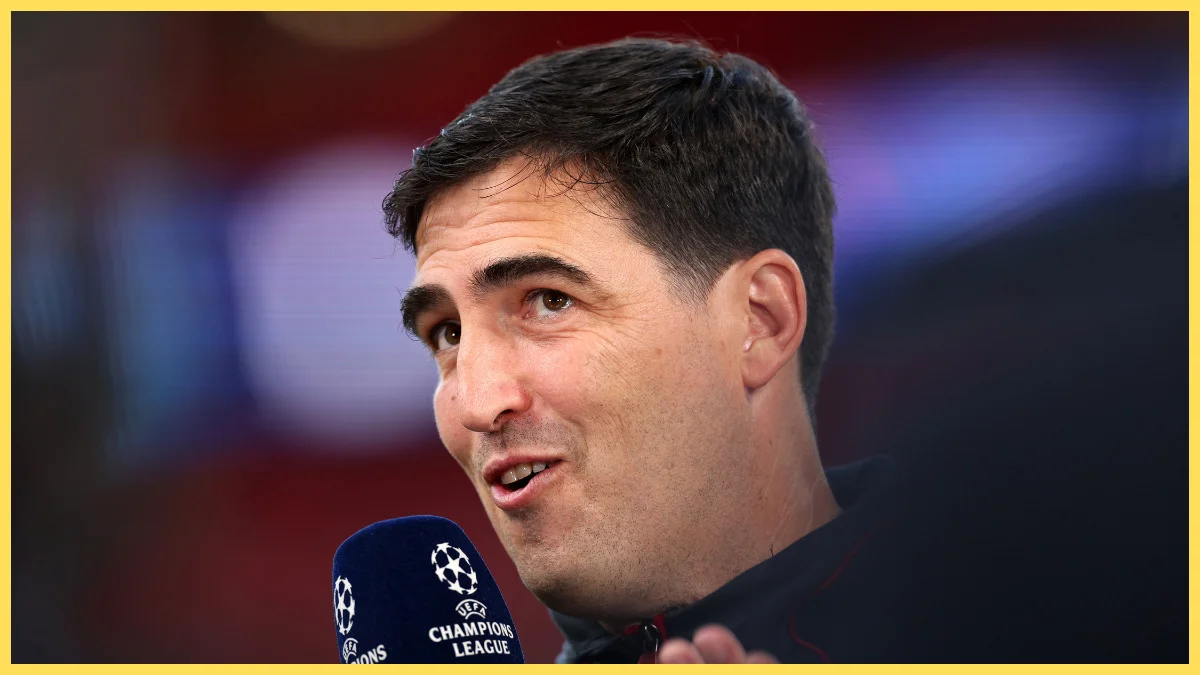
Dimitri de Conde, Genk's director of football, expressed his astonishment over the transaction, noting he had anticipated interest from major clubs but not at this financial level or speed. “I knew he was on the radar of top clubs, including Real Madrid,” he remarked. “But to see such a quick agreement and for that amount? I never expected it,” he added.
The Unexpected Deal

This swift move by Liverpool underscores the ever-changing dynamics of the transfer market. According to de Conde, he received a call from Brughmans' agency at 11 am on a Sunday, just two days before the English transfer window closed. The rapidity of Liverpool's decision left Genk astonished. “The very next morning, Lucca was on a plane to Liverpool,” he confirmed. This isn’t simply a matter of money—it's about how clubs are increasingly willing to make bold moves to secure young talent before competitors jump in.
The fact that a goalkeeper with just 17 senior appearances commanded such a hefty fee is indeed striking. Some might argue that Liverpool could have negotiated a lower price, given Brughmans’ relative inexperience. But in a league where premium prices are common, betting on youthful promise might be a calculated risk worth taking. Talent like Brughmans tends to appreciate quickly and could yield significant returns, especially if he meets or exceeds expectations.
Contemplating Future Selections
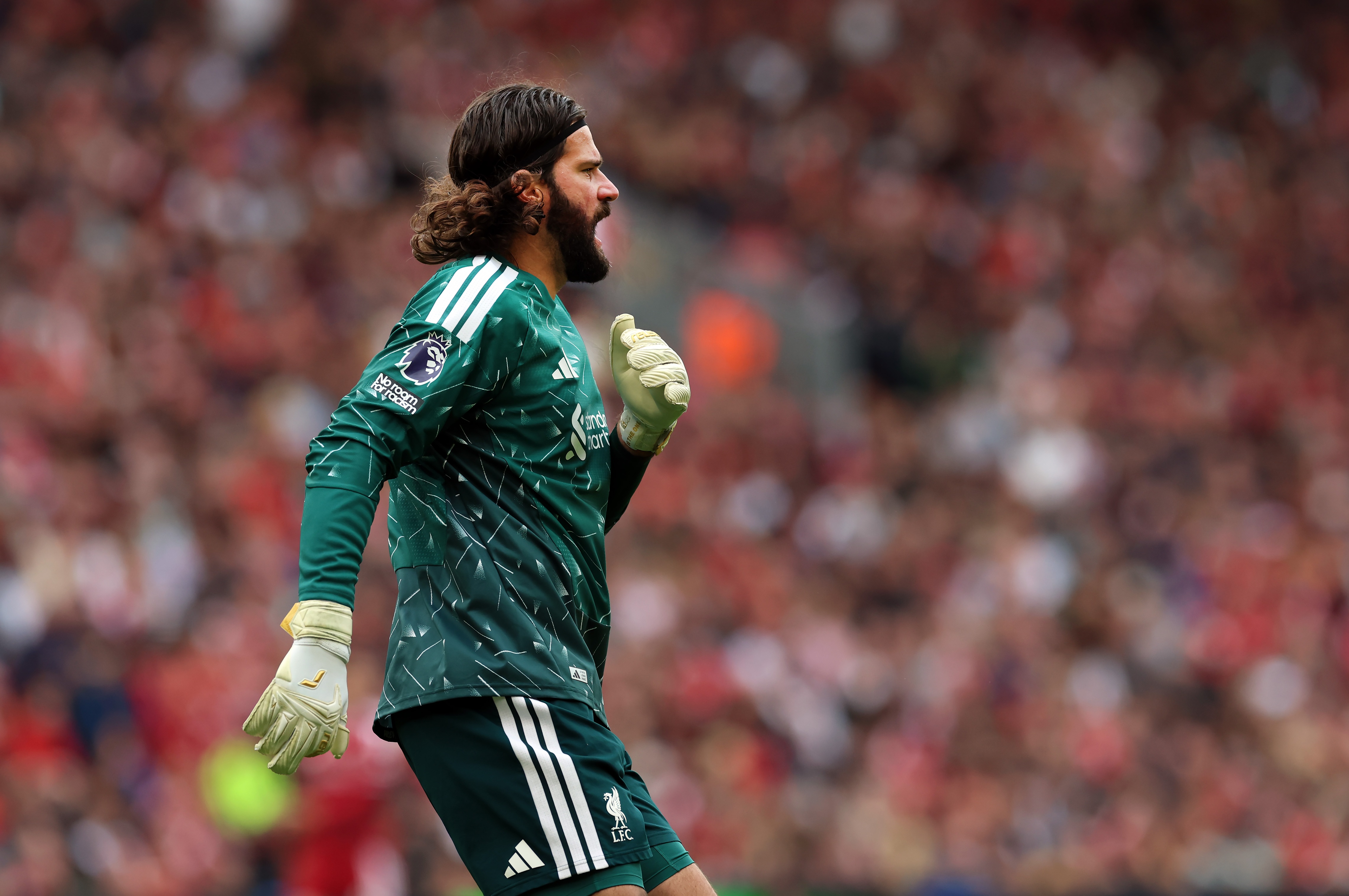
This transfer injects excitement but also raises questions about the longer-term stability of Liverpool’s goalkeeper position. Giorgi Mamardashvili's future remains up in the air, despite his competent performances of late. The looming possibility that Alisson Becker may be in his final season at Anfield adds further urgency to Liverpool’s acquisition strategy. If you're working in this space, you'll realize how vital it is for clubs to plan adequately for transitions, especially in key positions like goalkeeper.
Timing is everything in football. By snagging Brughmans early, Liverpool positions itself to have two promising candidates vying for the number one spot come the 2027/28 season. This creates competition and ensures the club isn't scrambling for replacements should Alisson depart. Such foresight demonstrates a keen understanding of both immediate needs and future planning. The calculated risk reflects an awareness that the transfer market can swiftly shift, making preemptive moves essential for long-term success.
Strategic Spending in Transfers
During the last transfer window, Liverpool demonstrated a notable aversion to overpaying for players, which marks a shift in strategy that could pay dividends in the long run. While former sporting director Richard Hughes was successful in trimming costs during negotiations with PSG for Bradley Barcola, some fans voiced concerns about the club's failure to address critical positions, which allowed competitors to gain the upper hand in roster strengthening.
A strategic approach to financial outlay can yield benefits, especially when targeting quality players like Brughmans. If it means paying a premium to secure talent that addresses specific needs, Liverpool seems prepared to embrace that necessity. It's a balancing act—committing financial resources to ensure competitiveness while also maintaining fiscal responsibility. Acquisitions like Brughmans signal not just a buy-now mentality, but also a commitment to proactive recruitment strategies that prioritize squad depth and reliability.
Implications and Future Outlook
This acquisition indicates something beyond just another player entering the squad—it serves as a potential shift in how Liverpool operates in the transfer market. Investing heavily in young talent can set the stage for a more sustainable future. Rewards in sports are rarely immediate, but the groundwork laid today can establish a formidable roster for years to come. If Brughmans lives up to expectations, he could easily become the linchpin of the Liverpool defense, leaving lasting positive implications.
However, questions linger. Can Brughmans adapt quickly to the demands of the Premier League? And what about the pressure that comes with such a significant transfer fee? The trajectory of his career is uncertain, but Liverpool is betting on his potential. That’s a strategy laden with risk, but also the promise of significant rewards if it pays off.
In this volatile climate, where transfer fees can fluctuate wildly, Liverpool's swift decision may be more significant than it looks. Preparing for transitions in player roles, making bold yet calculated investments, and ensuring competitive depth will require ongoing evaluation. The stakes are high, but so is the potential for success.

Discussion
Sign in to join the discussion.