Andy Robertson shares how Diogo Jota's tragic death affected the Liverpool squad's dynamics and performance throughout the season.
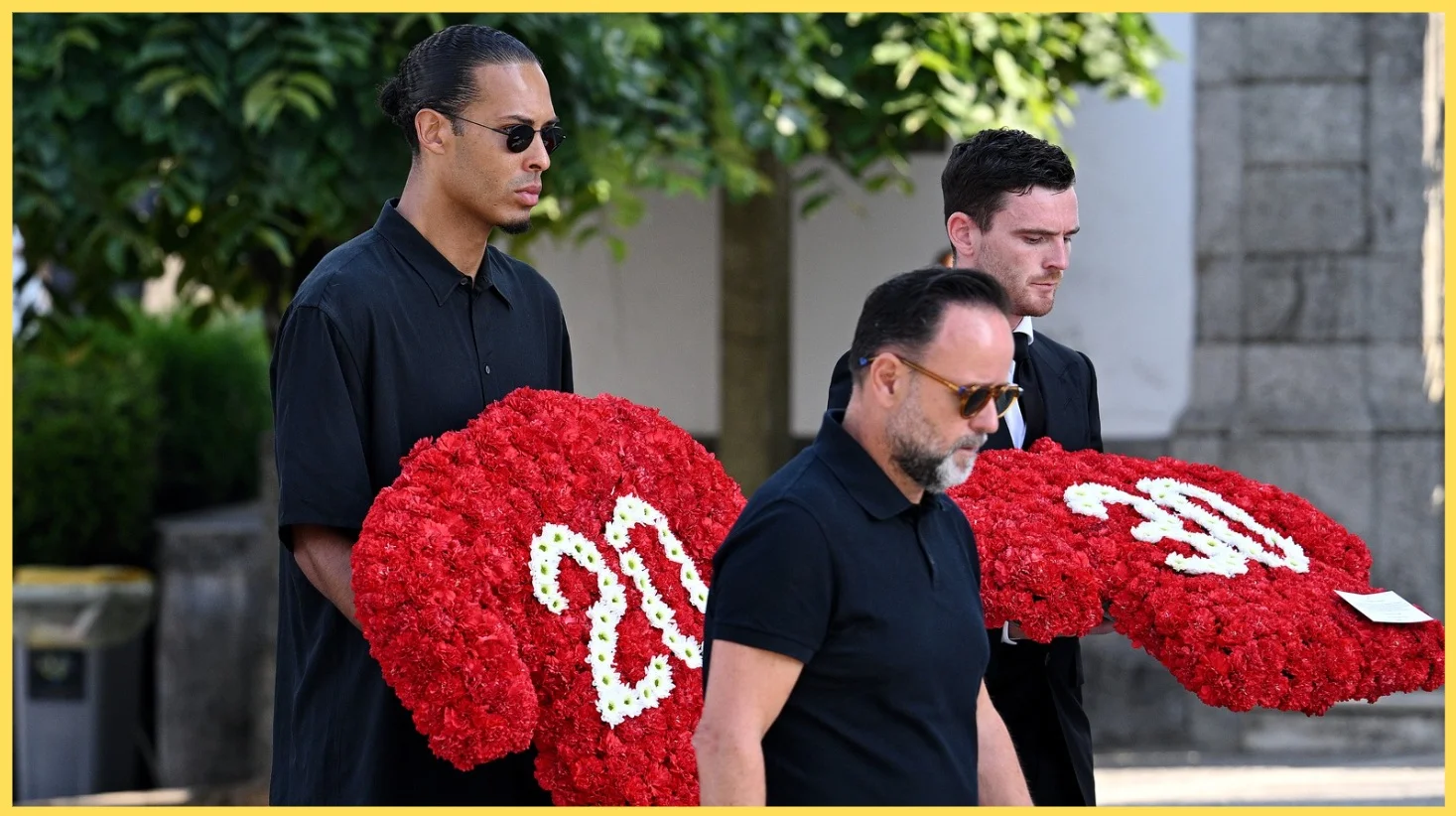
Andy Robertson has candidly discussed the profound effect Diogo Jota's tragic passing had on the Liverpool team during the previous season, revealing the emotional turmoil that followed the loss.
Jota, a promising Portuguese forward, died in a car crash in July 2025, an event that sent shockwaves through the football community, particularly affecting his teammates on Merseyside and in his hometown of Gondomar. This tragedy was not just another headline; it profoundly stirred the emotional fabric of the football world, a space where camaraderie often runs deep and personal bonds shape on-field performance.
Emotional Struggles After Jota's Passing
On a recent episode of Stick to Football, Robertson, now with Tottenham Hotspur, opened up about the difficulty the Liverpool squad faced in the aftermath. He described the months following Jota's death as a period where players grappled with their emotional state and struggled to find their form. The impacts of grief are broadly recognized, but in professional sports, they have tangible consequences, changing the way players interact not just with each other but with the game itself.
“It’s difficult to describe or talk about it, because what we went through was horrendous,” Robertson said. “If I’m talking about the new signings, they’re coming into a club that is heartbroken, and they’re trying.” The weight of grief is heavy, and for players who had just lost a teammate, the typical pressures of performance were magnified. Adjusting to new dynamics can take time, and this moment served as a harsh reminder of how quickly circumstances can shift in professional sports.
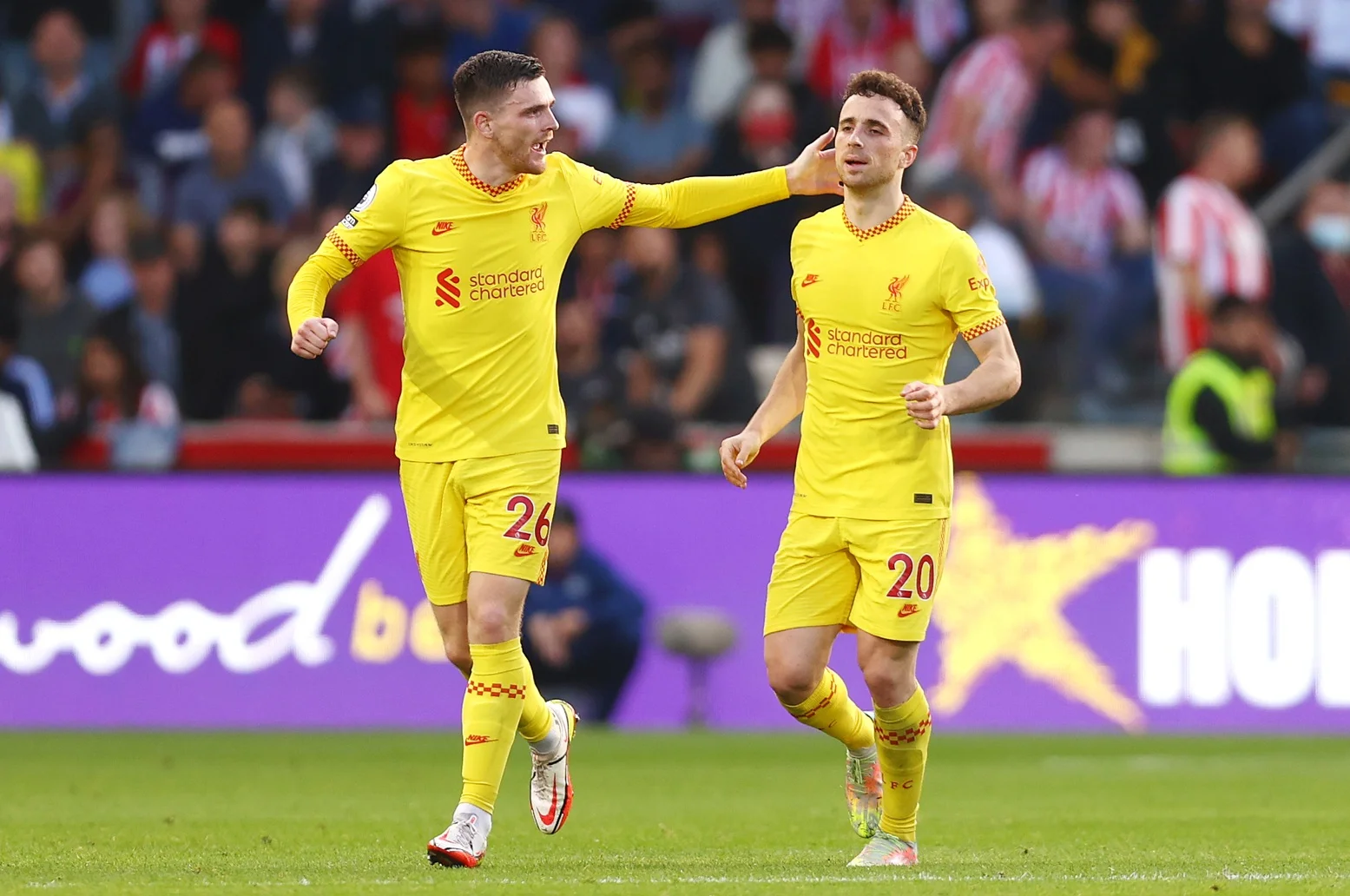
He expressed sympathy for the new players who arrived amid such a climate of loss. “When it took them months to settle in, because we were like ghosts. We didn’t care about football. That was the truth of it,” he conveyed. “We just lost one of our best mates in the changing room.” The emotional disconnect resonated, complicating both personal and professional relationships within the club. Adjusting to a new team can already be a daunting task; in this context, it became a monumentally difficult challenge for fresh talent encountering a grieving squad.
Robertson reflected on how the team lost their competitive edge, stating, “All footballers have that edge, don’t we? When you lose that edge, sometimes you can’t perform to your best.” He acknowledged a decline in determination during the season, questioning, “What’s the point?’” as they coped with their grief. This sense of existential questioning is not uncommon when facing loss, yet it posed specific problems for a team whose identity is so closely tied to performance and success. The inability to muster the motivation to compete is not just a temporary setback—it's a critical issue that could have lasting implications for player morale and cohesion.
A Testament to Resilience Amid Grief
While it may seem convenient to blame the team's struggles solely on the tragedy, it’s essential to consider the extraordinary emotional toll it took on everyone associated with Liverpool. Players and coaching staff navigated a deeply affected atmosphere during a challenging season. The nature of the sport revolves around high emotional stakes. Yet this situation amplified those stakes in ways few could have anticipated.
Mohamed Salah candidly shared his own fears regarding returning to the AXA Training Centre after Jota's passing, highlighting the emotional weight the situation carried. The unease was palpable, illustrating how integral Jota was to the locker room dynamic. Integrating new signings during such a sensitive period undoubtedly added to the complexity of navigating the season. This contextual backdrop makes it clear that the club had to juggle both personal loss and professional exigencies.
Despite these overwhelming challenges, the team managed to secure Champions League qualification, showcasing their resilience. Achieving this milestone under such circumstances speaks volumes about the players' character and determination, a fact that deserves recognition. This isn’t merely about athletic achievement; it's about the will to rise above personal tragedy—a narrative woven into the fabric of sports history.
In hindsight, it’s important to appreciate the uphill battle the squad faced while they were subject to scrutiny over their performances. Processing the loss of a close friend while striving to meet professional expectations is no small feat, and those who haven't experienced such heartache may never fully grasp the depths of that struggle. The toll on mental health is significant, and this instance serves as a reminder that players are human, often burdened by pressures far beyond the pitch.
Implications and Future Outlook
As the season continues, Robertson’s insights offer a sobering reflection on the human element in sports, revealing just how interconnected personal and professional challenges can be. If you're working in this space, the lessons here are manifold. Recognizing the psychological impact of loss on athletes may be critical for clubs aiming to support their players effectively, both on a personal and professional level. The emotional aftermath of Jota's tragedy could shape Liverpool's organizational practices moving forward; an emphasis on mental health resources and team bonding could enrich the club culture overall.
For fans, understanding the strain endured by players enhances the appreciation of their dedication. What this means for future signings is straightforward—they should be welcomed into a cohesive environment that acknowledges loss and emphasizes emotional well-being. The narratives that unfold off the pitch often inform success on it, and clubs adept at mastering this balance will likely find greater long-term success.

Discussion
Sign in to join the discussion.