Manchester United's late equalizer against Fulham raises questions about the team's intensity and urgency amid a sluggish performance.
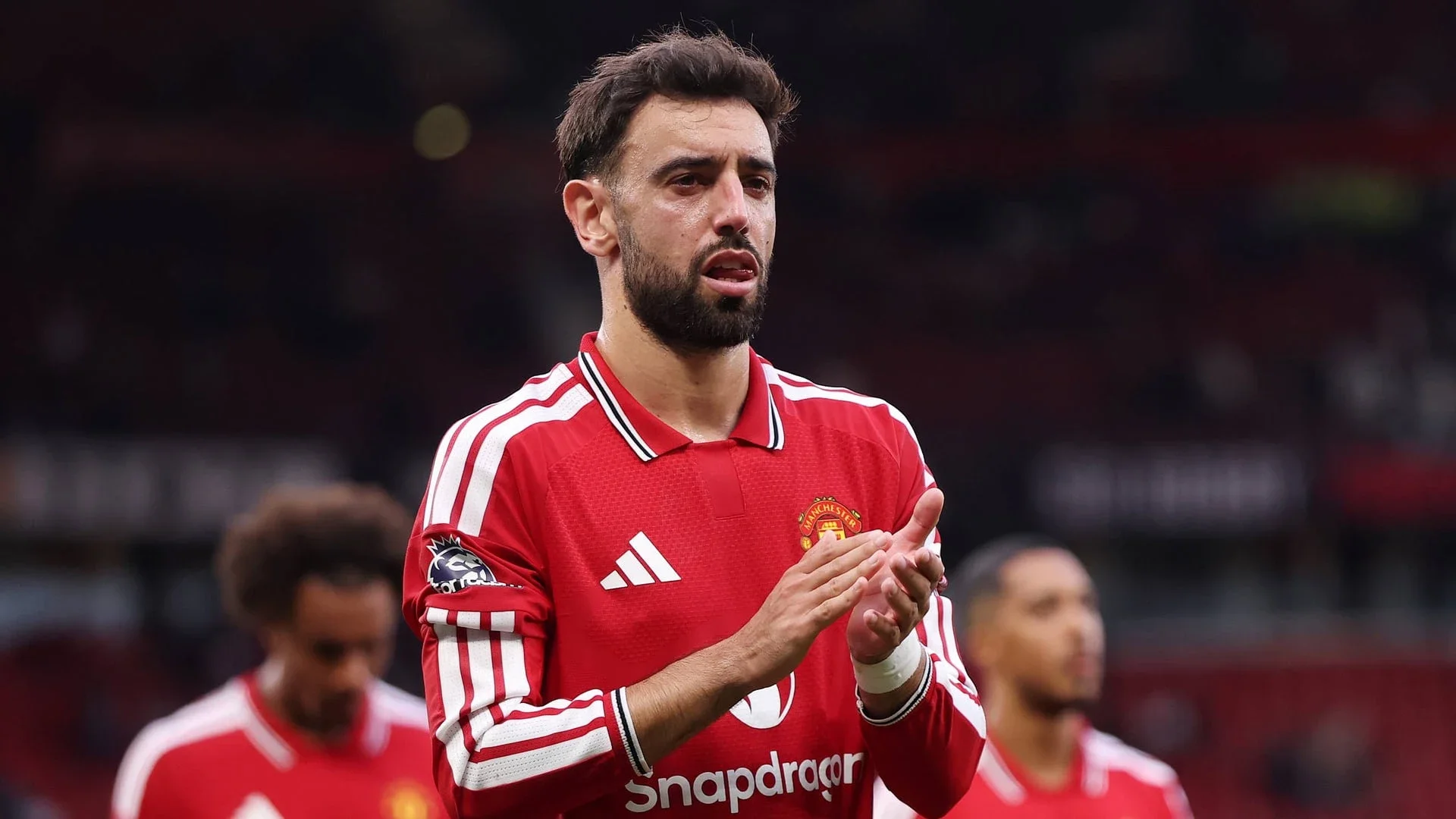
Manchester United managed to clinch a draw at Craven Cottage thanks to a last-minute deflection, but the performance has drawn scrutiny over the squad's intensity and confidence.
Fulham took control of the match in the 63rd minute with a goal credited to Lisandro Martinez, who inadvertently turned the ball into his own net. Anxious moments filled Old Trafford as United appeared on the brink of their third Premier League defeat of the season until Matheus Cunha's shot took a fortuitous deflection to find the net in the 89th minute.
Throughout the first half, United came close to scoring, with Bruno Fernandes and Cunha both hitting the woodwork. Yet, a persistent sense of inertia plagued their gameplay, making it difficult for them to seize opportunities. Fulham's defensive structure proved competitive and effective, forcing United to settle for a draw.
After the match, Ashley Young shared insights on Sky Sports, assessing that the team displayed a lack of urgency and suggested that players may have overthought their actions. He pointed out that Fulham consistently looked the more spirited side, pushing toward a win even as the match drew to a close.
Evaluating the Match Statistics
Statistics from the encounter starkly reveal the disparity in performance. United recorded 29 total shots, with just six on target, while Fulham managed 12 shots. The expected goals metric was marginally in favor of Fulham at 1.62 compared to United’s 1.60. This discrepancy indicates that, despite volume, United’s finishing remains a critical concern, reflecting broader issues in their attacking strategy.
Moreover, Fulham showcased superior physical effort on the pitch, covering 116.7 km in total distance compared to United's 110.2 km, along with 101 sprinting efforts versus United’s 91. You'd think with more possession—58% to be exact—and winning 13 corners to Fulham's three, United would have had an advantage. But their inability to convert chances only underscores ongoing issues that linger in their approach. This isn't just a stat problem; it points to a larger crisis regarding team psychology and cohesiveness.
The Bigger Picture: Persistent Identity Crisis
Young’s comments come as United grapples with significant challenges this season. Winning only two of their first seven competitive matches has placed them in a precarious situation, currently sitting 12th in the Premier League. This confinement raises questions about the team's identity and style of play. Once known for their swift transitions and attacking verve, the current squad appears adrift, devoid of a clear philosophy.
While chances were created — evident in their first-half attempts — the match's aftermath largely focused on their sluggish rhythm and failure to maintain drive. That earlier positivity seen during Michael Carrick’s interim management has taken a hit as match results become increasingly elusive. Although the draw provided them a point, it cast a shadow of concern, particularly with the international break looming. Fans and analysts alike will be questioning whether the team's issues are rooted in tactics or mentality, a sentiment echoed by many previous greats of the club.
Looking Ahead
Following the international break, United’s next challenge will be against Tottenham Hotspur, positioned last in the table without a win this season. (And this is the part most people overlook.) This matchup presents an immediate chance for redemption following the Fulham draw; however, it also carries the weight of expectation. If United falters again, the pressure on both Carrick and the players will amplify significantly.
The break will allow Carrick to address the pressing issues highlighted by Young and Louis Saha, especially the need for increased intensity and urgency. United's performance against Spurs will be telling of their capacity to convert concerns into a more dynamic display. If you’re working in this space, you know that psychological momentum can shift drastically with one strong performance. This could either reinvigorate a faltering squad or plunge them deeper into crisis.
Implications and Future Outlook
What this means for Manchester United isn’t simply about securing points but redefining their season's trajectory. The coming matches will be pivotal in assessing whether the tactical flaws and lack of urgency identified in recent games are transient problems or symptomatic of a deeper-rooted malaise. An inability to perform against a struggling team like Spurs could force management to reconsider strategies, player roles, or even leadership within the squad. A decisive spark is necessary—not just to avoid embarrassment but to evoke nostalgia for what the club once signified in football.
This situation demands attention. If United cannot harness their collective potential, they risk losing more than just a few matches; they could lose their identity as a top club. Fans deserve better than a side that seems to lack the foundational drive that once made the team a force to be reckoned with.
The post Manchester United Struggles to Find Urgency in Draw Against Fulham appeared first on Stretty News.

Discussion
Sign in to join the discussion.