Fiorentina's investment in striker Beto clears pathways for both Moise Kean's move to Como and Juventus’ pursuit of Joshua Zirkzee.
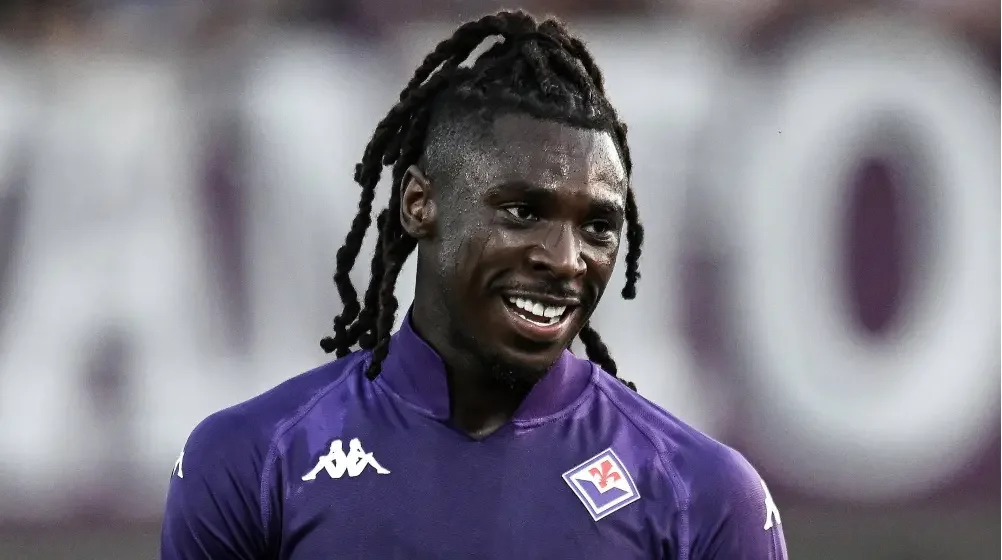
Fiorentina's recent agreement to sign Everton striker Beto for an estimated €18 million has set off a ripple effect within the transfer market. This deal not only clears Moise Kean's route to Como but also enables Juventus to make an aggressive bid for Joshua Zirkzee. The interconnected nature of these transactions has created a tightly woven deadline drama as clubs jockey for position ahead of the transfer deadline.
As reported by Football Italia, the negotiations culminated in a significant chain reaction that pulled teams like Fiorentina, Como, and Juventus into a complex interplay of offers and counteroffers. Sources such as Gianluca Di Marzio and Fabrizio Romano have been pivotal in reporting the €17-18 million fee for Beto, with other outlets corroborating these developments.
Kean’s Wait and Fiorentina’s Strategy
Fiorentina initially hesitated to allow Kean to transition to Como without securing a replacement. The club's cautious approach demonstrates how critical forward acquisitions are in the current climate. Kean’s transfer had been in the works for several days, but Fiorentina was fixated on acquiring Zirkzee as a potential reinforcement to maintain competitive squad depth. However, it became apparent late in the transfer window that Zirkzee preferred a move to Juventus instead of Fiorentina, putting the entire transfer chain in jeopardy.
That revelation prompted Fiorentina to pivot from their pursuit of Zirkzee, decisively moving forward with Beto’s signing. The focus shifted swiftly; after all, in the high-stakes game of transfers, timing is everything. With Beto in tow, Kean is now positioned to undergo medical examinations and wrap up his move to Como. If you're working in this space, you know how these things can change on a dime. A couple of hours could mean the difference between a deal or no deal at all.
Juventus Capitalizes on Fiorentina's Shift
As Fiorentina fell back from the chase for Zirkzee, Juventus quickly seized the moment to put forth their own offer for the young forward. Juventus, known for their ability to read the market, has made a shrewd move at the right moment. Remarkably, Atlético Madrid’s interest in Jonathan David further complicates the scenario yet opens other avenues for Juventus, although the specific dynamics of those negotiations remain unclear.
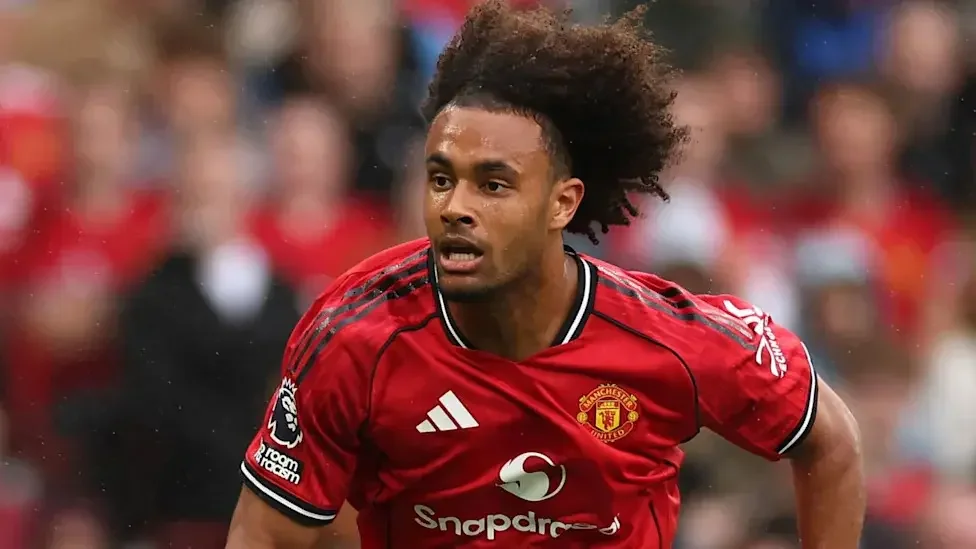
Reports indicate that Juventus has proposed a loan deal with an option to buy Zirkzee for €30 million. This structure not only allows them to enhance their attacking options but also aligns with their strategic moves in reshaping their forward lineup this summer. It suggests a more flexible financial strategy, where clubs are increasingly favoring loan agreements to mitigate risks associated with high-value signings.
Financial Details of the Transfers
Kean's transfer to Como is structured as a €5 million loan with an obligation to purchase for €30 million, accompanied by €5 million in potential add-ons. The Beto transfer is pegged at around €17-18 million, and he is slated to undergo medical evaluations soon. Meanwhile, Juventus awaits further confirmation regarding their deal for Zirkzee, which rests on a similar loan with an option to buy for €30 million. These structures reveal a broader trend in football finance — teams are becoming cautious, opting for deals that protect their financial health while still trying to improve their squads.
Implications for the Transfer Market
This chain reaction of transfers is emblematic of how interconnected football deals have become. Understandably, the actions taken by one club can reverberate across the market, influencing decisions and strategies in real-time. What this means for you, the fan or analyst, is that watching these maneuvers offers more than just a glimpse into team tactics — it's an insight into the financial machinations underpinning modern football.
The trend of utilizing loan agreements with purchase options could very well be setting a new standard as clubs balance ambition with fiscal responsibility. If this becomes the norm, expect to see a shift in how clubs approach contract negotiations, maximizing flexibility while reducing long-term financial commitments. This isn't just business; it's the future of how clubs might build a team steadily, even through tumultuous financial periods.
And yet, while these moves create exciting narratives in the transfer market, they can also mask underlying challenges within clubs. The pressure to secure high-profile signings can lead to financial strain and mismanagement. As we look ahead, the success of these deals will hinge not just on the players’ performances but also on the clubs’ ability to adapt to the evolving dynamics of player transactions in football.

Discussion
Sign in to join the discussion.